在什么什么后面用英语怎么说?在英语中,“在什么前面”和“在什么后面”通常使用"in the front of"和"behind"来表达。比如,如果我们说某物位于某个地方的前面,可以使用"in the front of",比如“他在教室的前面”可以翻译为"He is in the front of the classroom"。同样地,如果某物位于某个地方的后面,那么,在什么什么后面用英语怎么说?一起来了解一下吧。
1. 在...的上面:改写为 "on top of" 或 "above"。
原句:He placed the book on the table.
改写:He placed the book on top of the table.
2. 在...下面:使用 "under" 或 "below"。
原句:She found her keys underneath the cushion.
改写:She found her keys under the cushion.
3. 在...旁边:可以用 "next to" 或 "beside"。
原句:The cat sat close to the computer.
改写:The cat sat next to the computer.
4. 在...后面:用 "behind"。
原句:I left my bag behind the chair.
改写:I left my bag behind the chair.
5. 在...前面:用 "in front of" 或 "at the front of"。
原句:The queue formed in front of the ticket booth.
改写:The queue formed at the front of the ticket booth.
6. 在...里面:用 "in" 或 "inside"。
在英语中,表达“在……后面”有多种方式,包括“behind”、“after”、“in the back of”、“at the rear of”、“in the wake of”和“in the aftermath of”。这些表达方式在语境和用途上有所不同,可以用于描述物体的位置、时间顺序或事件的后果。
behind 这是最常见的表达方式。例如:The car is parked behind the house.(汽车停在房子后面。)
after 这个词可以用来表示时间和位置上的“后面”,例如:The party will take place after the concert.(聚会将在音乐会之后举行。)The hotel is located just after the bridge.(酒店就在桥的后面。)
in the back of 这个表达方式可以用来指在某个物体的后部,例如:The spare tire is in the back of the car.(备胎在车的后部。)
at the rear of 这个表达方式与“in the back of”类似,但更正式、更书面。
在英语中,表示方位关系的介词有许多种,但“在...前面”,“在...下面”,“在...后面”这三种可以用“in front of”,“under”,“behind”来表示。比如,“在桌子前面”可以表达为“in front of the table”,“在桌子下面”则可以写成“under the table”,“在桌子后面”则为“behind the table”。
这几个介词的使用有一定的规律,例如,“in front of”通常用来描述一个物体相对于另一个物体的位置,且这个物体通常是在另一个物体的前面。而“under”和“behind”则分别表示物体位于另一个物体的下方或后方。需要注意的是,使用“in front of”时,介词后接的通常是完整的名词短语,而非单个名词。同样,“under”和“behind”也是如此。
这些介词在英语中非常实用,常用来描述物体或人的位置关系。例如,如果要描述一个人站在桌子前面,可以说“a person stands in front of the table”。如果要描述一个人坐在桌子后面,可以说“a person sits behind the table”。
在英语中,“在什么前面”和“在什么后面”通常使用"in the front of"和"behind"来表达。比如,如果我们说某物位于某个地方的前面,可以使用"in the front of",比如“他在教室的前面”可以翻译为"He is in the front of the classroom"。同样地,如果某物位于某个地方的后面,则可以使用"behind",例如“书在桌子后面”可以表达为"The book is behind the desk"。
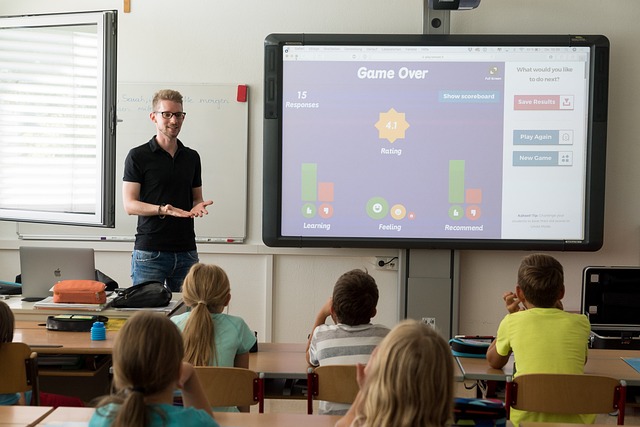
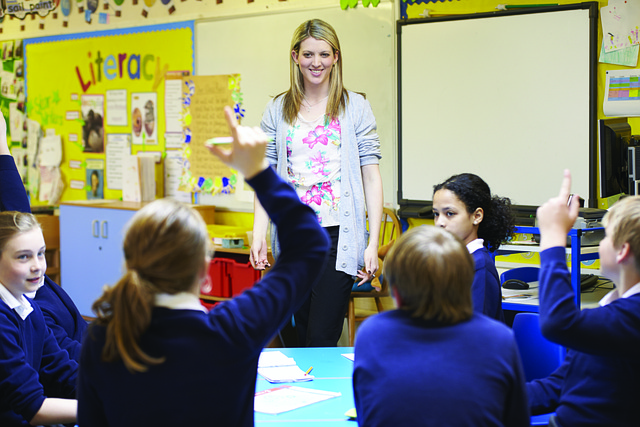
值得注意的是,“in the front of”通常用于表示某个物体或人处于某个较大区域的前部,如教室、舞台等,而"behind"则用于描述一个物体或人位于另一个物体之后。例如,"The teacher is in the front of the classroom, and the students are behind her"。这种表达方式在日常交流中非常常见,能够帮助我们准确地描述物体或人的位置。
此外,“in front of”和“behind”的用法也需要注意。"In front of"通常用于表示某个物体或人位于另一个物体或人的前面,而"behind"则用于表示位于后面。
在什么后面英语
一、
在英语中,表示“在什么后面”的常用表达是“behind”。
二、详细解释:
1. “behind”是一个表示空间位置的英文单词,直译为“在后面”。
2. 在句子中,“behind”可以作为介词或副词使用,用来描述某物或某人在另一物或某人的后面。例如,“The cat is hiding behind the tree.”
3. 除了“behind”,“after”一词也可表示某种顺序或时间上的“后面”,但更多用于表示时间的先后,如“after school”。而“what's behind”这样的表达则常用来询问某事物背后的内容或原因。
4. 学习英语时,理解和运用这些表示位置或时间的词汇对于准确表达非常重要。特别是在需要描述空间关系或时间顺序的情境中,“behind”和“after”等词的使用非常常见且关键。
因此,若要表示“在什么后面”,在英语中可以使用“behind”这一词汇。

以上就是在什么什么后面用英语怎么说的全部内容,翻译:In front of and behind what 单词分析:1、in front of 英 [in frʌnt ɔv] 美 [ɪn frʌnt ʌv]面前;在…前面;当着…的面 2、内容来源于互联网,信息真伪需自行辨别。如有侵权请联系删除。