新概念英语第二册第六课课文?此文出自《新概念英语第二册第六课》课文解析:1、I have just moved to a house in Bridge Street. 我刚刚搬进了大桥街的一所房子。move常用的意义是“动”、“移动”。在这句话里它的意思是“搬家”、“迁移”,为不及物动词。在表达“搬家”这个意思时move可以单独使用,那么,新概念英语第二册第六课课文?一起来了解一下吧。
Last week I went to the theatre. I had a very good seat. The play was very interesting. I did not enjoy it. A young man and a young woman were sitting behind me. They were talking loudly. I got very angry. I could not hear the actors. I turned round. I looked at the man and the woman angrily. They did not pay any attention. In the end, I could not bear it.
I turned round again. 'I can't hear a word!' I said angrily.
'It's none of your business,' the young man said rudely. 'This is a private conversation!'. (第一课)
It was Sunday. I never get up early on
Sundays. I sometimes stay in bed until
lunch time. Last Sunday I got up very
late. I looked out of the window. It was
dark outside. 'What a day!' I thought.
'It's raining again.' Just then, the tele-
phone rang. It was my aunt Lucy.' I've
just arrived by train,' she said. 'I'm
coming to see you.'
'But I'm still having breakfast,' I said.
'What are you doing ?' she asked.
' I'm having breakfast,' I repeated.
'Dear me,' she said. 'Do you always
get up so late ? It's one o'clock!''(第二课)
Postcards always spoil my holidays. Last
summer, I went to Italy. I visited
museums and sat in public gardens. A
friendly waiter taught me a few words of
Italian. 'Then he lent me a book. I read
is few lines, but I did not understand a
word. Every day I thought about post-
cards. My holidays passed quickly, but I
did not send any cards to my friends. On
the last day I made a big decision. I got
up early and bought thirty-seven cards
I spent the whole day in my room, but I
did not write a single card !(第三课)
I have just received a letter from my
brother, Tim. He is in Australia.He has
been there for six months. Tim is an
engineer. He is working for a big firm
and he has already visited a great number
of different places in Australia. He has
just bought an Australian car and has
gone to Alice Springs, a small town in the
centre of Australia. He will soon visit
Darwin. From there, he will fly to Perth.
My brother has never been abroad be-
fore, so he is finding this trip very exciting(第四课)
Mr James Scott has a garage in Silbury
and now he has just bought another
garage in Pinhurst. Pinhurst is only five
miles from Silbury, but Mr Scott cannot
get a telephone for his new garage, so he
has just bought twelve pigeons. Yester-
day, a pigeon carried the first message
from Pinhurst to Silbury. The bird
covered the distance in three minutes.
Up to now, Mr Scott has sent a great
many requests for spare parts and other
urgent messages from one garage to the
other. In this way, he has begun his own
private telephone service. (第五课)
I have just moved to a house in Bridge
Street. Yesterday a beggar knocked at my
door. He asked me for a meal and a glass
of beer. In return for this, the beggar
stood on his head and sang songs. I gave
him a meal. He ate the food and drank
the beer. Then he put a piece of cheese
in his pocket and went away. Later a
neighbour told me about him. Everybody
knows him. His name is Percy Buttons.
He calls at every house in the street once
a month and always asks for a meal and a
glass of beer.(第六课)
The plane was late and detectives were
waiting at the airport all morning. They
were expecting a valuable parcel of dia-
mond from South Africa. A few hours
earlier, someone had told the police that
thieves would try to steal the diamonds.
When the plane arrived,some of the de-
tectives were waiting inside the main
building while others were waiting on the
airfield. Two men took the parcel off
the plane and carried it into the Customs
House. While two detectives were keep-
ing guard at the door, two others opened
the parcel. To their surprise, the precious
parcel was full of stones and sand!(第七课)
Joe Sanders has the most beautiful garden
in our town. Nearly everybody enters for
'The Nicest Garden Competition' each
year, but Joe wins every time. Bill Frith's
garden is larger than Joe's. Bill works
harder than Joe and grows more flowers
and vegetables, but Joe's garden is more
interesting. He has made neat paths and
has built a wooden bridge over a pool. I
like gardens too, but I do not like hard
work. Every year I enter for the garden
competition too, and I always win a little
prize for the worst garden in the town!(第八课)
On Wednesday evening, we went to the
Town Hall. It was the last day of the year
and a large crowd of people had gathered
under the Town Hall clock.It would
strike twelve in twenty minutes' time.
Fifteen minutes passed and then, at five
to twelve, the clock stopped. The big
minute hand did not move. We waited
and waited, but nothing happened. Sud-
denly someone shouted, 'It's two minutes
past twelve! The clock has stopped!' I
looked at my watch. It was true. The big
clock refused to welcome the New Year.
At that moment everybody began to
laugh and sing.(第九课)
We have an old musical instrument. It is
called a clavichord. It was made in Ger-
many in 1681. Our clavichord is kept in
the living-room. It has belong to our
family for a long time. The instrument
was bought by my grandfather many
years ago. Recently it was damaged by a
visitor. She tried to play jazz on it! She
struck the keys too hard and two of the
strings were broken. My father was
shocked. Now we are not allowed to touch
it. It is being repaired by a friend of my
father's.(第十课)
新概念英语第二册中共有96课。
课文标题如下
Lesson1 A private conversation私人谈话
Lesson 2 Breakfast or lunch?早餐还是午餐?
Lesson 3 Please send me a card寄张明信片
Lesson 4 An exciting trip激动人心的旅行
Lesson 5 No wrong numbers无错号之虞
Lesson 6 Percy Buttons珀西·巴顿斯
Lesson 7 Too late为时太晚
Lesson 8 The best and the worst最好的和最差的
Lesson 9 A cold welcome冷遇
Lesson 10 Not for jazz不适于演奏爵士乐
Lesson 11 One good turn deserves another礼尚往来
Lesson 12 Goodbye and good luck再见,一路顺风
Lesson 13 The Greenwood Boys绿林少年
Lesson 14 Do you speak English?你会讲英语吗?
Lesson 15 Good news佳音
Lesson 16 A polite request彬彬有礼的要求
Lesson 17 Always young青春常驻
Lesson 18 He often does this!他经常干这种事!
Lesson 19 Sold out票已售完
Lesson 20 One man in a boat独坐孤舟
Lesson 21 Mad or not?是不是疯了?
Lesson 22 A glass envelope玻璃信封
Lesson 23 A new house新居
Lesson 24 It could be worse不幸中之万幸
Lesson 25 Do the English speak English?讲的是英语吗?
Lesson 26 The best art critics最佳艺术评论家
Lesson 27 A wet night雨夜
Lesson 28 No parking禁止停车
Lesson 29 Taxi!出租汽车!
Lesson 30 Football or polo?足球还是水球?
Lesson 31 Success story成功者的故事
Lesson 32 Shopping made easy购物变得很方便
Lesson 33 Out of the darkness冲出黑暗
Lesson 34 Quick work破案“神速”
Lesson 35 Stop thief!捉贼
Lesson 36 Across the Channel横渡海峡
Lesson 37 The Olympic Games奥林匹克运动会
Lesson 38 Everything except the weather唯没考虑天气
Lesson 39 Am I all right?我是否痊愈?
Lesson 40 Food and talk进餐与交谈
Lesson 41 Do you call that a hat?你把那个叫帽子吗?
Lesson 42 Not very musical并非很懂音乐
Lesson 43 Over the South Pole飞越南极
Lesson 44 Through the forest穿过森林
Lesson 45 A clear conscience问心无愧
Lesson 46 Expensive and uncomfortable既昂贵又受罪
Lesson 47 A thirsty ghost嗜酒的鬼魂
Lesson 48 Did you want to tell me something?
你想对我说什么吗?
Lesson 49 The end of a dream美梦告终
Lesson 50 Taken for a ride乘车兜风
Lesson 51 Reward for Virtue对美德的奖赏
Lesson 52 A pretty carpet漂亮的地毯
Lesson 53 Hot snake触电的蛇
Lesson 54 sticky fingers粘糊的手指
Lesson 55 Not a gold mine并非金矿
Lesson 56 Faster than sound!比声音还快!
Lesson 57 Can I help you, madam?您要买什么,夫人?
Lesson 58 A blessing in disguise?是因祸得福吗?
Lesson 59 In or out?进来还是出去?
Lesson 60 The future卜算未来
Lesson 61 Trouble with the Hubble哈勃望远镜的困境
Lesson 62 After the fire大火之后
Lesson 63 She was not amused她并不觉得好笑
Lesson 64 The Channel Tunnel海峡隧道
Lesson 65 Jumbo versus the police小象对警察
Lesson 66 Sweet as honey!像蜜一样甜!
Lesson 67 Volcanoes火山
Lesson 68 Persistent纠缠不休
Lesson 69 But not murder!并非谋杀!
Lesson 70 Red for danger危险的红色
Lesson 71 A famous clock一个著名的大钟
Lesson 72 A car called Bluebird“蓝鸟”汽车
Lesson 73 The record-holder纪录保持者
Lesson 74 Out of the limelight舞台之外
Lesson 75 SOS呼救信号
Lesson 76 April Fools' Day愚人节
Lesson 77 A successful operation一例成功的手术
Lesson 78 The last one?最后一枝吗?
Lesson 79 By air乘飞机
Lesson 80 The Crystal Palace水晶宫
Lesson 81 Escape脱逃
Lesson 82 Monster or fish?是妖还是鱼?
Lesson 83 After the elections大选之后
Lesson 84 On strike罢工
Lesson 85 Never too old to learn活到老学到老
Lesson 86 Out of control失控
Lesson 87 A perfect alibi极好的不在犯罪现场的证据
Lesson 88 Trapped in a mine困在矿井里
Lesson 89 A slip of the tongue口误
Lesson 90 What's for supper?晚餐吃什么?
Lesson 91 Three men in a basket三人同篮
Lesson 92 Asking for trouble自找麻烦
Lesson 93 A noble gift崇高的礼物
Lesson 94 Future champions未来的冠军
Lesson 95 A fantasy纯属虚构
Lesson 96 The dead return亡灵返乡
Lesson 6
Percy Buttons
珀西.巴顿斯
First listen and then answer the question.
听录音,然后回答以下问题。
Who is Percy Buttons?
I have just moved to a house in Bridge Street. Yesterday a beggar knocked at my door. He asked me for a meal and a glass of beer. In return for this, the beggar stood on his head and sang songs. I gave him a meal. He ate the food and drank the beer. Then he put a piece of cheese in his pocket and went away. Later a neighbour told me about him. Everybody knows him. His name is Percy Buttons. He calls at every house in the street once a month and always asks for a meal and a glass of beer.
New words and expressions 生词和短语
beggarn. 乞丐
foodn. 食物
pocketn. 衣服口袋
callv. 拜访,光顾
参考译文
我刚刚搬进了大桥街的一所房子。
Lesson 6Percy Buttons
Listening comprehension
1Introduce the story
T:Today we'll listen to a story about a man called Percy Buttons.
2Understand the situation
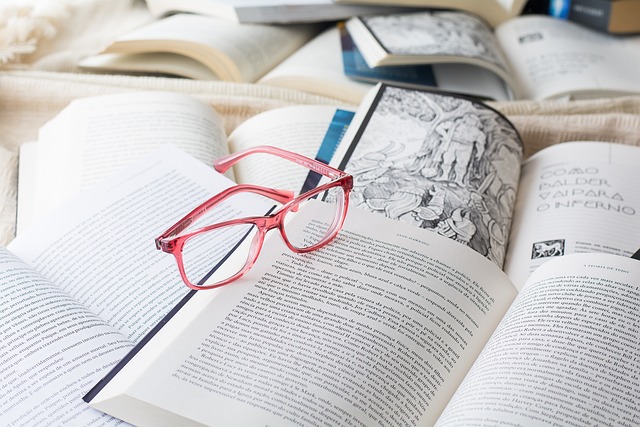
T:What do you think is happening in the picture?
3Listening objective
T:Listen to the story and see if you can answer this question:Who is Percy Buttons?
4Play the tape or read the story
5Answer the question
After the reading, ask the question again:Who is Percy Buttons?
Train students not to shout out the answer. Instead, ask one student, then ask the others to agree or disagree with a show of hands.
Answer:Percy Buttons is a beggar.
6Intensive reading
Play the tape or read the story again, pausing after every sentence to check the students understand.
Obtain brief explanations to difficulties in the text from the students themselves. Only use Chinese if a confirmatory translation is necessary.
7Play the tape or read the story again
The students listen only.
8Repetition (Optional)
Play the tape or read the story again, pausing after every sentence, and ask the students to repeat (a) in chorus, (b) in small groups, and (c) individually.
9Reading aloud
Ask one or two students to read the story aloud.
Comprehension questions
1Where have you just moved to? (To a house in Bridge Street.)
2Is yours the only house in the street? (No, it isn't.)
3What happened yesterday? (A beggar knocked at my door.)
4What did he ask you for? (A meal and a glass of beer.)
5Did he pay you for the meal? (No, he didn't.)
6He didn't pay you for the beer either, did he? (No, he didn't.)
7What did he do in return for it? (He stood on his head and sang songs.)
8He ate the food and drank the beer. What did he do then? (Then he put a piece of cheese in his pocket.)
9Who told you about him later? (A neighbour did.) .
10Is he well-known in Bridge street? (Yes, he is.)
11What's he called? (Percy Buttons.)
12Has he called on you before? (No, he hasn't.)
13How often does he call on the houses in Bridge Street? (Once a month.)
Asking questions:Ask me if…
T:Ask me if I've just moved to a house in Bridge Street.
S:Have you just moved to a house in Bridge Street?
T:Where…to?
S:Where have you just moved to?
1I've just moved to a house in Bridge Street. (Where…to) (Who)
2a beggar knocked at my door yesterday. (Who) (When)
3he wanted a meal and some beer. (What)
4he stood on his head and sang songs. (What…do)
5I gave him a meal. (What)
6he put a piece of cheese in his pocket. (Where) (What)
Pattern drill
1
T:a bottle of ink-in the desk
S1:I need some ink.
S2:There's a bottle of ink in the desk.
a bottle of milk/beer-in the fridge
a pot of glue/paint-in the cupboard
a bag of sugar/flour-on the table
a can of petrol/oil-in the garage
2
T:tea
S1:You drink a lot of tea, I must say!
S2:I couldn't live without tea. It's my favourite drink.
milk, beer, whisky, water, coffee,
soda, mineral water, iced coffee,
orange juice, tomato juice, Coca-Cola.
3
T:car-nice radio
S1:I like that car. It has a nice radio.
S2:I like the radio, but not the car!
house-big garden village-old church
room-fine view hotel-good restaurant
flower-nice smell coat-wide collar
park-big lake man-friendly dog
4
T:a cup-over there
S1:Get me a cup, willyou?
S2:The cup over there?
S1:It doesn't matter-just get me a cup!
a vase/a plate-near the window
a tin of meat/a box-on the shelf
a hat/an umbrella-in the bedroom
a comb/a glass-in the bathroom
Tell the story
1just moved-Bridge Street
2Yesterday-beggar knocked-door
3asked-meal-beer
4In return-stood-sang
5ate food-drank-beer
6Then-piece of cheese-pocket-away
7Later-neighbour-about him
8Everybody - him - name - Percy Buttons
9calls - house - street once a - and - asks - meal - glass of beer
Topics for discussion
1Do you think this story is true? Why/Why not?
2How did people pay for things long ago, before we had money?
3Imagine you are very hungry, but have no money for a meal. What would you do?
Key to Summary writing
The writer has just moved to a house in Bridge Street. A beggar knocked at her door yesterday. He sang songs. The writer gave him a meal and a glass of beer in return for this. The beggar's name is Percy Buttons. He calls at every house in the street once a month.
(53 words)
Key structures:The indefinite and definite articles
aThe distinction between countable (unit) and uncountable (mass) nouns must be clearly established since it affects the use of a/an and some. (For the use of any, see KS 30)
Countables:
I bought a book (one book, unspecified).
I bought some books (an unspecified number).
Books are not very expensive (general statement):
Uncountables:
I bought some flour (an unspecified quantity),
Milk is very refreshing (general statement).
Some nouns can be countable or uncountable depending on the sense:
I want to borrow a rubber (= an eraser).
We get rubber (the material) from Malaysia.
bThe definite article the (/J+/ before consonants and /J!/ before vowels) is used when the person or thing referred to has already been mentioned, is the only one of its kind in a particular situation, or is explained in the same sentence:
I bought the books (i.e. the ones you asked me to buy).
Put those books on the table (i.e. there is only one table in the room).
Give me the books on the table (i.e. the books which are on the table).
cArticles are not generally used before names of people, streets, towns, countries, etc. (but see KS 30).
Pattern drill
1
Note these common expressions (a bottle of, etc.) to indicate fairly precise quantities.
2
You drink a lot of tea. Note a lot of + uncountable (NOT much in affirmative statements).
Icouldn't live without tea. General statement, no article.
3
It has a nice radio. Just ‘a radio’- not a particular one.
I like the radio. The particular radio I have just mentioned.
4
Get me a cup, will you? No particular cup.
The cup over there? There is only one cup over there. That one?
… just get me a cup! Any cup will be all right.
Repetition drill
Chorus, group or individual repetition
To elicit negative statements requiring the omission of the article before plural countable nouns and singular uncountable nouns.
T:Listen. Do not speak.
(1)
T:I bought a book this moming.
S:Books aren't very expensive.
(2)
T:I bought a bottle of milk this morning.
S:Milk isn't very expensive.
(3)
T:I bought a pen this morning.
S:Pens aren't very expensive.
(4)
T:I bought a bar of chocolate this morning.
S:Chocolate isn't very expensive.
T:Now you do the same. Ready?
1As in (1) above.
2As in (2) above.
3As in (3) above.
4As in (4) above.
5
T:I bought a piece of cheese this morning.
S:Cheese isn't very expensive:
6
T:I bought a postcard this morning.
S:Postcards aren't very expensive.
7
T:I bought an umbrella this morning.
S:Umbrellas aren't very expensive.
8
T:I bought a bottle of beer this morning.
S:Beer isn't very expensive.
9
T:I bought a comb this morning.
S:Combs aren't very expensive.
10
T:I bought a tin of tobacco this morning.
S:Tobacco isn't very expensive.
Key to KS Exercises
Asome meat, a desk, some tobacco, a tin of beans, a comb, a city, a/some cloth, some oil, a bottle of beer,a day, a word, a student, some sugar, some rain, an orange, a/some rubber
D(sample answers)
1I found an old coin in the garden.
2I put some sugar in my tea.
3I cut some wood for a/the fire.
4I bought a newspaper yesterday.
5I made some coffee.
6I like the curtains in this room.
Key to SD Exercises
A
1out 2over 3off4at
B
1knocked him out
2knock off
3knocked 20% off the price…
Key to Multiple choice questions
1d2a3c4d
5d6a7d8a
9b10a11d 12a.
Key to Sentence structure
He calls at every house in the street once a month and always asks for a meal and a glass of beer.
Lesson 6
Percy Buttons
珀西·巴顿斯
课文详注 Further notes on the text
1.I have just moved to a house in Bridge Street. 我刚刚搬进了大桥街的一所房子。
I have just moved to a house in Bridge street.
Yesterday a beggar knocked at my door.
He asked me for a meal and a glass of bear.
In return for this, the beggar stood on his head and sang songs.
I gave him a meal.
He ate the meal and drank the bear.
Then he put a peice of cheese in his pocket and went away.
Later a neighbor told me about him.
His name is Percy Bottons.
He calls at every house in the street once a month and always asks for a meal and a glass of bear.
以上就是新概念英语第二册第六课课文的全部内容,move:移动,迁居;beggar 乞丐;knock at the door 敲门;in return for 作为报答;stand on one’s head 倒立;a piece of chese 一块奶酪;pocket 衣服口袋;language points 本课语言点 1: he ask me for a meal and a glass of beer.ask sb for sth向某人要什么东西,内容来源于互联网,信息真伪需自行辨别。如有侵权请联系删除。