中国节日英语翻译?1. 春节(The Spring Festival):农历正月初一,中国最重要的传统节日,也是农历新年的开始。2. 除夕(New Year's Eve):农历新年之前的最后一个晚上,家人会团聚一起吃年夜饭。3. 元宵节(The Lantern Festival):农历正月十五,也称为“灯节”,人们会点亮灯笼,吃元宵。那么,中国节日英语翻译?一起来了解一下吧。
元旦 New Year' s Day Jan.1
国际劳动妇女节International Working women' s Day (Women's Day) Mar.8
国际劳动节International Labor Day
(May. Day) May.1
中国青年节 Chinese Youth Day May.4
国际儿童节International Children's Day(Children's Day) June .1
中国共产党诞生纪念日 (党的生日) Anniversary of the Founding of the Chinese Communist Party (the Party' s Birthday) July .1
建军节 Army Day August .1
教师节Teachers’ Day Sept.1
国庆节National Day October.1
春节 the Spring Festival (New Year’s Day of the Chinese lunar calendar) 农历正月初一
元宵节 (灯节)the Lantern Festival 农历正月十五
清明节the Qingming Festival四月五日前后
端午节the Dragon-Boat Festival农历五月初五
中秋节the Mid-Autumn Festival (the Moon Festival)农历八月十五
重阳节the Double-Ninth Day农历九月初九
情人节 the Double-Seventh Day农历七月初七
新年-New Year’s Day
春节-Spring Festival
三八节-International Working Women’s Day
五一节-May Day
五四节-Chinese Youth Day
六一节-International Children’s Day
八一建军节-Army Day
中国共产党成立纪念日-Aniversary of the Founding of the Communist Party of China
国庆节-National Day
春联-Spring Festival Couplets
年画-New Year pictures
剪纸-paper-cuts
除夕-the New Year’s eve
守岁-stay up late on the New Year’s eve
放鞭炮-let off fire crackers
拜年-pay a New Year visit
团圆饭-family reunion dinner
元宵节-Lantern Festival
元宵-sweet dumplings
花灯-festival lantern
灯谜-lantern riddle
龙灯-dragon lantern
扫墓-sweep graves of one’s ancestors or loved ones
祭祖宗-offer scarifices to the ancestors
踏青-go for an outing in spring
赛龙舟-dragon-boat racing
赏月-appreciate the glorious full moon
九九重阳节-Double Ninth Day
赏菊-admire the beauty of chrysanthemum
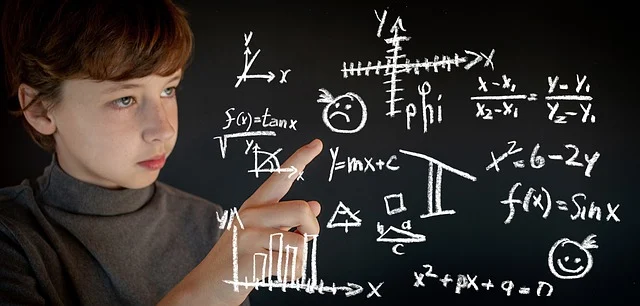
清明节 tomb sweeping festival 中秋节mid-autumn day 端午节dragon boat festival 重阳节the Double Ninth Festival 腊八节the laba Rice Porridge Festival 元宵节lantern's day 除夕New Year's Eve 春节Spring Festival 七夕节Chinese Valentine's Day
以下是常见三十个节日的英语翻译,按照要求以markdown格式输出,并加粗重点内容:
中国传统节日
春节:Spring Festival
除夕:Lunar New Year’s Eve
元宵节:The Lantern Festival
二月二:Dragon Headsraising Day
清明节:Tomb Sweeping Day
端午节:Dragon Boat Festival
七夕情人节:Chinese Valentine’s Day
重阳节:DoubleNinth Festival
中秋节:MidAutumn Festival
国庆节:National Day
元旦:New Year’s Day
冬至:Winter Solstice Festival
腊八节:Laba Festival
小年:Little New Year
其他中国节日
情人节:Valentine’s Day
五一劳动节:Labour Day
儿童节:Children’s Day
母亲节:Mother’s Day
父亲节:Father’s Day
妇女节:Women’s Day
青年节:Youth Day
教师节:Teacher’s Day
建党节:CPC Founding Day
建军节:Army Day
护士节:Nurse Day
国外节日
圣诞节:Christmas
感恩节:Thanksgiving Day
平安夜:Christmas Eve
复活节:Easter
万圣节:Halloween
愚人节:April Fool’s Day
请注意,虽然提供了三十个节日的翻译,但其中情人节是西方节日,在中国也广泛庆祝,因此也包含在内。
英语作文:
China boasts a rich variety of traditional festivals. The most important one is the Spring Festival, also known as Chinese New Year, which marks the turn of the lunar calendar. Houses are adorned with red lanterns and couplets, and people wear new clothes. They visit relatives, enjoy dumplings, fish, and other delicacies, and children eagerly anticipate red envelopes filled with money. The atmosphere is filled with joy and excitement, enhanced by dragon and lion dances. Another significant festival is the MidAutumn Festival, which celebrates family unity. It originates from a romantic story and is a time for families to gather and admire the full moon while enjoying snacks.
翻译:
中国拥有丰富多彩的传统节日。
介绍中国春节的英语作文:
The Chinese Spring Festival marks the turn of the lunar year, celebrating the end of winter and the arrival of spring. It commences on the last day of the lunar year and concludes on the 15th day, known as the Lantern Festival. During this festive season, houses are adorned with red lanterns and Spring Festival couplets, and people don vibrant attire. Family gatherings are common, featuring delicious foods like dumplings, fish, and meat. Children eagerly anticipate receiving red envelopes filled with money, while fireworks light up the night sky, bringing joy to all. Streets are alive with dragon and lion dances, and other carnival activities add to the merriment.
翻译:
中国春节标志着农历新年的开始,庆祝冬天的结束和春天的到来。

以上就是中国节日英语翻译的全部内容,中国传统节日英文介绍带翻译如下: 1、春节(农历一月一日) Spring Festival;Chinese New Year's Day. 由来: Primitive beliefs and sacrificial culture are important factors in the formation of New Year's Day. 原始信仰和祭祀文化是春节形成的重要因素。内容来源于互联网,信息真伪需自行辨别。如有侵权请联系删除。