七年级上册英语知识?一、教材介绍 2024版冀教版初中英语七年级上册课本是由河北教育出版社出版的,该教材已经由国家教材委员会专家委员会审核通过。作为一套专为七年级学生设计的英语教材,它旨在帮助学生打下坚实的英语基础,提升英语听说读写能力。教材内容丰富,结构清晰,注重实用性和趣味性,能够激发学生的学习兴趣,培养其自主学习能力。二、那么,七年级上册英语知识?一起来了解一下吧。
关于任何事物的知识都有五个层次或者要素:事物的名称、定义、形象,有关事物的智识或者知识,以及事物本身——这才是知识的真正目标。下面我给大家分享一些初一上册英语知识点,希望能够帮助大家,欢迎阅读!
初一上册英语知识点1
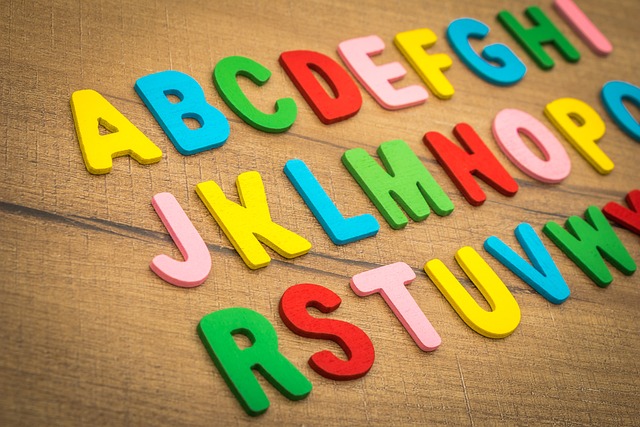
一、48个国际音标及26个英文字母的正确书写
要熟练掌握元音和辅音,5个元音字母(a, e, i, o, u),字母的正确占格及单词间距。
二、be动词的用法
be动词有三种变形,分别是:am, is, are。记忆口诀:
"我"用am, "你"用are, is用于"他、她、它";单数全都用is,复数全部都用are。
三、人称及人称代词的不同形式(主格和宾格)
1、三种人称:第一人称(I, we),第二人称(you, you),第三人称(he, she, it, Maria)。
2、人称代词的主格,即人称代词位于句子主语位置时的形态:I, We, You, You, He, She, It, Maria。
3、人称代词的宾格,即人称代词位于句子宾语位置时的形态:me, us, you, you, him, her, it。
2024版冀教版初中英语七年级上册电子课本介绍、教材目录及学习指南
一、教材介绍
2024版冀教版初中英语七年级上册课本是由河北教育出版社出版的,该教材已经由国家教材委员会专家委员会审核通过。作为一套专为七年级学生设计的英语教材,它旨在帮助学生打下坚实的英语基础,提升英语听说读写能力。教材内容丰富,结构清晰,注重实用性和趣味性,能够激发学生的学习兴趣,培养其自主学习能力。
二、教材目录
以下是2024版冀教版初中英语七年级上册的教材目录:
Unit 1: School and Numbers
Lesson 1: Welcome to Our School
Lesson 2: My Classroom
Lesson 3: Numbers 1-20
Lesson 4: Family and Friends
Review and Assessment
Unit 2: Colors and Clothes
Lesson 5: My Favorite Colors
Lesson 6: What's This in English?
Lesson 7: A Nice Clothes Shop
Lesson 8: Colors Around Us
Review and Assessment
Unit 3: Body and Feelings
Lesson 9: Look at Me!
Lesson 10: This is My Head
Lesson 11: How Are You Feeling Today?
Lesson 12: I'm Happy!
Review and Assessment
Unit 4: Food and Drink
Lesson 13: What's for Breakfast?
Lesson 14: I Like Noodles
Lesson 15: A Healthy Diet
Lesson 16: Let's Have Pizza!
Review and Assessment
Unit 5: Family and Home
Lesson 17: My Family
Lesson 18: In the Living Room
Lesson 19: My Bedroom
Lesson 20: I Can Help!
Review and Assessment
Unit 6: Pets
Lesson 21: Do You Have a Pet?
Lesson 22: My Pet Dog
Lesson 23: A Visit to the Zoo
Lesson 24: Animals in the Wild
Review and Assessment
Unit 7: School Subjects and Activities
Lesson 25: My Favorite Subject
Lesson 26: We Have a PE Lesson
Lesson 27: After-school Activities
Lesson 28: A Music Festival
Review and Assessment
Unit 8: Days and Months
Lesson 29: What Day is Today?
Lesson 30: My Birthday
Lesson 31: Festivals
Lesson 32: A Calendar
Review and Assessment
Review Units
Review Unit 1: Lessons 1-12
Review Unit 2: Lessons 13-24
Review Unit 3: Lessons 25-32
(注:以上仅为部分目录截图,完整目录请参考教材实际内容。初一英语上学期期中复习
【学习目标】
一、语音知识
※1.
※2. 单词重读
'dinner'kitchen'shower'peoplefor'get pi'anode'liciousre'view
二、词汇
※ 1. 1-6单元黑体字单词
※ 2. 词组
what about=how about …怎么样(认为如何)
fall asleep=be asleep 入睡
eat up 吃光
go to bed 上床睡觉
watch TV 看电视
only child 独生子、独生女
wash the dishes 洗盘子
at school/home/work 在学校 / 家 / 工作
go up 起床
live with sb. 和某人住在一起
三、日常用语
§1. What's your name?
My name is Mike.
§2. Are you happy?
Yes, I am./No, I'm not.
§3. What's your favorite subject?
My favorite subject is English.
§4. Do you like sports?
Yes, I do./No, I don't.
四、语法
§1. 词类:名词、冠词、形容词、副词
§2. 比较等级
【知识讲解】
※1. 名词
①表示人或事物的名称,如 boy, clock, book, tree。

一、48个国际音标及26个英文字母的正确书写
要熟练掌握元音和辅音,5个元音字母(a, e, i, o, u),字母的正确占格及单词间距.
二、be动词的用法
be动词有三种变形,分别是:am, is, are.记忆口诀:
“我”用am, “你”用are, is用于“他、她、它”;单数全都用is,复数全部都用are.
三、人称及人称代词的不同形式(主格和宾格)
1、三种人称:第一人称(I, we),第二人称(you, you),第三人称(he, she, it, Maria).
2、人称代词的主格,即人称代词位于句子主语位置时的形态:I, We, You, You, He, She, It, Maria.
3、人称代词的宾格,即人称代词位于句子宾语位置时的形态:me, us, you, you, him, her, it.
4、形容词性物主代词:my, our, your, your, his, her, its, their.
5、名词性物主代词:mine, ours, yours, yours, his, hers, its, theirs.
6、反身代词:myself, ourselves, yourself, yourselves, himself, herself, itself, themselves.
四、基数词(表示数量多少的词,大致相当于代数里的自然数)
zero, one, two, three, four, five, six, seven, eight, nine, ten, eleven, twelve, thirteen, fourteen, fifteen, sixteen, seventeen, eighteen, nineteen, twenty, twenty-one, twenty-two, twenty-three,twenty-four, twenty-five, twenty-six, twenty-seven, twenty-eight, twenty-nine, thirty, forty, fifty, sixty,seventy, eighty, ninety, one hundred,one hundred and one.
五、一般疑问句及特殊疑问句
1、一般疑问句:能用Yes或No来回答的问句.一般疑问句句尾读升调.
2、特殊疑问句:不能用Yes或No来回答的问句.特殊疑问句句尾读降调.
六、可数名词变复数
可数名词变复数时,有规则变化和不规则变化两种.
1、规则变化:
1)一般情况直接在词尾加“-s ”,如:cake-cakes, bag-bags, day-days, face-faces, orange-oranges等;
2)以s, x, sh, ch结尾的词,要在词尾加“-es ”,如:bus-buses, watch-watches, box-boxes等;
3)以辅音字母加y结尾的词,变y为i再加“-es ”,如:baby-babies, country-countries, family-families等;
4)部分以f (e)结尾的词,变f (e)为“ves ”,如:knife-knives, half-halves等;
5)以o结尾的词,加“-s ”或“-es ”,如:zoo-zoos, photo-photos, tomato-tomatoes, potato-potatoes等.记忆口诀:除了“英雄”hero外,凡是能吃的,加“-es ”,不能吃的加“-s ”.
2、不规则变化:
1)改变单数名词中的元音字母:man-men, woman-women, foot-feet, tooth-teeth等;
2)单、复同形:sheep-sheep, Chinese-Chinese, Japanese-Japanese等;
3)其他形式:mouse-mice, child-children等.
七、简单句的成分及主谓一致原则
最基本构成:主语+谓语+宾语,其中谓语由动词来充当.
主谓一致原则,就是句子的谓语要始终与主语保持数量上的一致性.当主语是第三人称单数(简称“三单”)时,谓语动词也要相应变成单数形式;当主语非“三单”时,谓语动词就用原形.实意动词变“三单”的规则如下:
1)一般动词在词尾加“-s ”,如:like-likes, tell-tells, play-plays等;
2)以字母s, x,ch, sh结尾的动词加“-es ”,如:guess-guesses, teach-teaches, watch-watches等;
3)以o结尾的动词一般加“-es ”,如:do-does, go-goes等;
4)以辅音字母加y结尾的动词,先变y为i,再加“-而是”,如:fly-flies, carry-carries等;
5)have的三单形式是has.
八、冠词的用法(名词前面必须要有冠词)
冠词分为定冠词(the)和不定冠词(a, an)两种.
1、定冠词the表示“特指”,可译为“这个”、“那个”、“这些”、“那些”.
2、不定冠词a, an用来表明(可数)名词的数量是“一个”.an用于以元音开头(注意不是以元音字母开头)的单词前,a则英语非元音开头的单词前.
3、不定冠词a, an与基数词one的区别是:不定冠词不是刻意强调“数量”,而基数词则强调“数量”.
九、助动词(do, does )的用法
只有实意动词作谓语时才涉及使用助动词.以like为例:
1)当句子为肯定句时不涉及使用助动词,只涉及“主谓一致”原则.
eg : I like English a lot.
Michael likes Chinese food very much.
2)当句子为否定句时,要根据主语的人称来决定使用相应的助动词:当主语为“三单”时,要使用does;当主语为“非三单”时,用助动词原形do.例如把下列句子变否定句:
Kangkang likes math.----Kangkang doesn't like math.
They like sports.------They don't like sports.
3)当句子变疑问句时,同样要根据句子的主语来决定在句首使用Do或Does.例如下列句子变问句:
Michael likes Chinese Food.----Does Michael like Chinese food?Yes, he does./ No, he doesn't.
Jane and Helen like music.----Do Jand and Helen like music? Yes, they do./ No, they don't.
十、名词所有格
1、Kangkang's books;Tom and Helen's desk; Ann's and Maria's bikes;
2、用of表示“.的”,但要从of后往of前翻译:a book of mine(我的一本书)
3、have与of的区别:
have一般表示“主动拥有”,往往用于有生命的人或动物;无生命的物体一般不能“主动拥有”,表示所属关系时要用of.例如:
I have a new bike.She has two big eyes.
a door ofthe house
十一、课本中的知识点
1、Unit 1 ——Unit 2
1)问候语:
Good morning/ afternoon/ evening.
How are you?---Just OK, thank you. How are you?---Not bad, thanks.
Hi! Hello!
How do you do?
2)道别用语:
Nice/ Glad to meet/ see you.(meet用于初次见面,see用于熟人间)
Nice to meet/ see you, too.
Goodbye. Byebye. Bye. See you (later/ tomorrow/ next time)! So long! Good night!
3)介绍人或者物的句型:This is...
4)Excuse me.与I'm sorry.的区别:
Excuse me.是要引起对方的注意,而I'm sorry.则是向对方道歉.
5)词组be from = come from
in English
5)当问句中问到this/ that时,回答要用it;问到these/ those时,要用they来回答. 例如: What's this in English?----It's an eraser.
What are those?----They are books.
6)对Thanks.的回答:That's OK./ You're welcome./ My pleasur.
7)look the same = have the same looks
give sth. to sb. = give sb. sth.
be like = look like
in the tree/ on the tree (树上结的、长出来的用on,否则用in)
in red(穿着红色的衣服)
in the desk(在空间范围之内)
in English(用英语)
help sb. do sth.
8)both与all的区别:
both表示“两者都.”;all表示“三者及以上都.”.
2、Unit 3——Unit 4
1)speak的用法
speak与say不同:speak表示“说”的动作,不表示“说”的内容;say则表示“说”的内容.
speak后面除了能接“语言”外,不能直接接东西,后面加了to则表示“对.说”.
help sb. with sth.(帮助某人做/补习.)
want to do sth.(想要做某事)
would like to do sth.
not...at all(一点都不);Not at all.(没关系/别介意)
like...a lot = like...very much
2)some和any的区别:
口诀:some用于肯定句,否定、疑问变any.例如:
I have some money.
I don't have any money.
Do you have any money?
3)have a seat = take a seat(请随便坐)
4)祈使句(表示命令或请求的句子)
祈使句一般都省略了主语You,所以其否定句直接用Don't开头.例如:
Don't go there!
5)问职业:
What does sb. do?
What is sb.?
What's sb.'s job?
6)work与job的区别:
work是未必有报酬的“工作”,例如homework, housework;而job则一定是有报酬的“工作”.
7)on指在物体的表面,不论这个面是否水平的,例如:
on the desk/ wall/ farm/ playground
8)in hospital(住院);in the hospital(在医院里)
look after(照料/照顾/照看)
help oneself(请自便/随便吃)
9)表示“建议”的句型:“做某事如何?”
What about (doing) sth.? (英式英语)
How about (doing) sth.? (美式英语)
Why don't you do sth.? = Why not do sth.?
10)“吃”一日三餐要用have:have breakfast/ lunch/ supper
have...for breakfast/ lunch/ supper
take one's order
be kind to sb.
11)try on这个词组可合可分:名词可以放在这个词组的中间或后面,但代词只能放在词组的中间.
12)在口语中往往用take表示“买”.
13)how many与how much的区别:
how many + 可数名词;how much + 不可数名词
14)What do you think of...?是询问对方对某事物的看法;
How do you like...?是问对方对某事物喜欢的程度.
think about(考虑)
Thank you all the same. (即使对方没能帮上忙,也要礼貌道谢)
Thanks. = Thank you.(thank作为动词,不能单独使用.)
15)one与it的区别:
当上下文说的是同一种类事物时,任意一个可以用one来代替;如果上下文所说的是同一个事物时则用it.例如:
Ann :I have a yellow bag.
Jane :I have a green one.
Tom : Hey, Mike. Where is your bike?
Mike : Look, it's over there.
16)倒装句
Here you are.
Here it is.
17)be free (有空/免费)
forget to do sth.(忘了去做某事)
forget doing sth.(忘了做过某事)
What's up? = What's wrong with...? = What's the matter with...?
18)go + v.-ing结构的含义:为了实现某目的才去的.例如:
go fishing/ boating/ swimming/ shopping等
19)have to do sth.(非主观因素,强调客观因素,“不得不去做某事”)
must 则表示主观愿望
20)fly a kite = fly kites
be free = have time
21)时间的表述
当分针所指的时间大于0分、小于等于30分钟时,用“分钟”past“小时”.例如:
8:23——twenty-three past eight
当分针所指的时间大于30分钟、小于60分钟时,用“剩余的时间”to“下一个整点”.例如:
8:49——eleven to nine
当然,还可以直接按照小时、分钟去读出时间,例如:
8:23——eight twenty-three; 8:49——eight forty-nine
整点则在数词后加“-o'clock”,例如:8:00——eight o'clock
在钟点前介词要用at.
22)句型“该干某事了.”:It's time to do sth. = It's time for sth.
例如:该吃午饭了.
It's time to have lunch. = It's time for lunch.
整个七年级的都在这里,比较全,如有疑问再问我,望采纳.
【沪教版】七年级英语上册知识点总结
一、词汇
基础词汇:掌握约500个基础单词,包括名词、动词、形容词、副词、介词、连词等,如“apple”(苹果)、“run”(跑)、“happy”(快乐的)、“quickly”(快速地)、“in”(在...里)、“and”(和)等。
词汇拓展:学习一些常见的短语和固定搭配,如“good morning”(早上好)、“thank you”(谢谢)、“see you”(再见)等。
二、语法
时态
一般现在时:表示通常性、规律性、习惯性、真理性的动作或状态。结构为“主语+动词原形/第三人称单数形式”。
一般过去时:表示过去某个时间里发生的动作或状态,或过去习惯性、经常性的动作、行为。结构为“主语+动词过去式”。
词类
名词:表示人或事物的名称,如“book”(书)、“cat”(猫)。

以上就是七年级上册英语知识的全部内容,He runs fastest. 初一英语上册专题重点动词 一、be动词 1. 根据人称的不同,be动词有三种基本形式,分别为am,is和are。am用于单数第一人称(I);is用于单数第三人称(he,she,it);are用于第二人称和复数第一,二,三人称(we,you,they)。 例:I am fifteen years old. 我十五岁了。内容来源于互联网,信息真伪需自行辨别。如有侵权请联系删除。